Answer Engine Optimization Guide: AEO Strategies
AEO doesn’t care about ranking.
It doesn’t prioritize keywords.
AEO is about becoming the source AI reaches for when people ask real questions. AI rewards brands that actually help people.
If you’re still only playing the old SEO game, you’re invisible where it counts: inside the answer box.
Let’s break down the shift and make AEO your unfair advantage.
See our AI Search + AEO Service.
Also Read:

5 Key Takeaways
AI citations trump rankings – Answer engines prioritize content that provides direct, extractable answers rather than traditional keyword-optimized pages.
Topical authority wins – Generative engines assess credibility across your entire domain, making comprehensive content clusters more valuable than isolated pages.
Structure enables extraction – Clean formatting with semantic HTML, descriptive headings, and structured data dramatically improves AI comprehension and citation frequency.
Early movers capture share – Companies with established AEO strategies already see 27% higher conversion rates from answer engine referrals compared to traditional search traffic.
Zero-click is the new normal – With AI-generated responses dominating search interfaces, visibility now means being cited within answers, not receiving clicks from blue links.
TL;DR
Answer Engine Optimization (AEO) is rapidly replacing traditional SEO as the primary strategy for digital visibility. With over 2 billion people using AI-powered search and 60% of searches ending without a click, businesses must optimize content for AI citations rather than search rankings. Success requires structured content, conversational language, strong E-E-A-T signals, and comprehensive schema markup. Companies that implemented dedicated AEO strategies in early 2024 now capture 3.4x more traffic than competitors who delayed. The future of search visibility lies in earning presence within AI-generated answers, not just ranking on results pages.
Table of Contents Show
A SEO Agency Partner is
MORE Affordable than you think.
Discover how Our Customers Grow Their Brands, Outshine Competitors, and Attract New Business

What Is Answer Engine Optimization (AEO)?
Answer Engine Optimization is the strategic practice of structuring content to earn citations and mentions within AI-generated responses across platforms like ChatGPT, Perplexity AI, Google AI Overviews, and other conversational search interfaces. Unlike traditional SEO, which focuses on ranking positions in search results, AEO prioritizes being quoted, referenced, and summarized by AI systems that deliver direct answers to user queries.
The AEO definition centers on a fundamental shift: your content's value gets measured not by how many people click your link, but by how often AI assistants reference your insights when answering questions. When 80% of search users rely on AI summaries at least 40% of the time, earning presence within those summaries becomes essential.
At SpearPoint Marketing, we approach this discipline through what we call Generative Engine Optimization (GEO), AI Search and AEO, emphasizing citation frequency and prominence in AI-generated answers rather than traditional search rankings. The goal is targeted trust (building clarity that positions your business as the authoritative answer when AI systems synthesize information for users).
How AEO Differs From Traditional SEO
Traditional SEO optimizes for search engine ranking positions, targeting specific keywords and building backlinks to climb results pages. The success metric is simple: appear higher in the list of blue links.
AEO flips this model entirely. Success means your content gets extracted, cited, and integrated into AI-generated answers. Users may never visit your website, yet you've still captured valuable visibility and brand recognition. Several core differences define this transformation:
Search intent interpretation: Traditional SEO matches keywords to pages. AEO requires understanding the full context behind conversational queries, then providing comprehensive answers that address multiple facets of user intent.
Content structure: SEO-optimized content often buries valuable information beneath introductory paragraphs. AEO demands answer-first architecture (putting the most valuable information in the opening sentences where AI systems can easily extract it).
Authority signals: While backlinks remain important for SEO, AEO prioritizes semantic relationships like logical topic connections, contextual depth, and internal linking patterns that demonstrate comprehensive domain expertise. AI systems assess credibility across your entire site, not individual pages.
Performance metrics: Traditional SEO tracks rankings, organic traffic, and click-through rates. AEO requires monitoring citation frequency, mention context quality, and visibility within AI responses (metrics that aren't captured in standard analytics platforms).
Why Answer Engine Optimization Matters Now
The urgency of AEO adoption becomes clear through current usage patterns. 105.1 million adults are using Generative AI currently, with 34% of U.S. adults reporting ChatGPT usage as of June (roughly doubling since 2023). This isn't a future trend. This is current user behavior reshaping digital discovery.
The zero-click phenomenon has accelerated dramatically. Just two years ago, 26% of searches ended without a click. Now that number has surged to 60%. AI-generated responses now account for 13.1% of U.S. desktop queries this year, representing rapid growth in AI-powered answer engine dominance.
The competitive advantage of early adoption is substantial. Beyond increased traffic volume, early movers report 31% higher engagement metrics from answer engine traffic versus traditional search visitors. Perhaps most compelling, sources cited by answer engines experience 27% higher click-through rates compared to traditional search placements when users do choose to click through.
Business decision-makers are already encountering AI-generated answers regularly. 72% of B2B buyers see Google AI Overviews, demonstrating broad exposure in professional contexts. If your competitors appear in those answers while your brand remains invisible, you've already lost valuable positioning.
How Answer Engines Work
Understanding answer engine mechanics is essential for effective optimization. These systems combine sophisticated natural language processing, massive training datasets, and real-time information retrieval to deliver contextually relevant answers.
Natural Language Processing and Query Understanding
Natural language processing forms the foundation of answer engine functionality. These systems don't simply match keywords (they interpret meaning, context, and intent behind conversational queries). When someone asks "What's the best way to improve Core Web Vitals for mobile users?", the AI understands multiple dimensions: the user wants actionable tactics, specific to mobile optimization, focused on technical performance metrics.
This semantic understanding enables answer engines to synthesize information from multiple sources, combining insights to create comprehensive responses. The system recognizes synonyms, related concepts, and contextual relationships between topics without requiring exact keyword matches.
For content creators, this means shifting from keyword targeting to concept coverage. Your content must address the full scope of a topic, anticipating related questions and providing comprehensive explanations that AI systems can extract and recombine with information from other authoritative sources.
AI Training and Source Selection
Recent research reveals how AI systems select and cite sources. A 2024 JAMA Network Open study evaluating LLM citation screening found that AI-assisted screening demonstrated sensitivity ranging from 0.25 to 1.00 and specificity of 0.98 to 0.99. The study showed processing time dropped from 17.2 minutes to just 1.3 minutes for screening 100 studies (critical efficiency gains driving rapid AI adoption).
However, citation accuracy reveals important limitations. Research published in JMIR found that 74.5% of AI-generated citations were real, with 72.7% in natural sciences and 76.6% in humanities. Yet citation accuracy dropped to approximately 67-70%, with contextual relevance at 70.9-74.5%. Most concerning: only 38.3% of DOIs in humanities topics were correct compared to 70.9% in natural sciences.
ChatGPT Search employs a hybrid system combining fine-tuned Large Language Models with real-time web search capabilities through the Bing Web Search API backend. Perplexity AI demonstrates a different approach, combining multiple AI models including GPT-4, Claude, and proprietary systems with live web indexing, ensuring responses incorporate the latest available information.
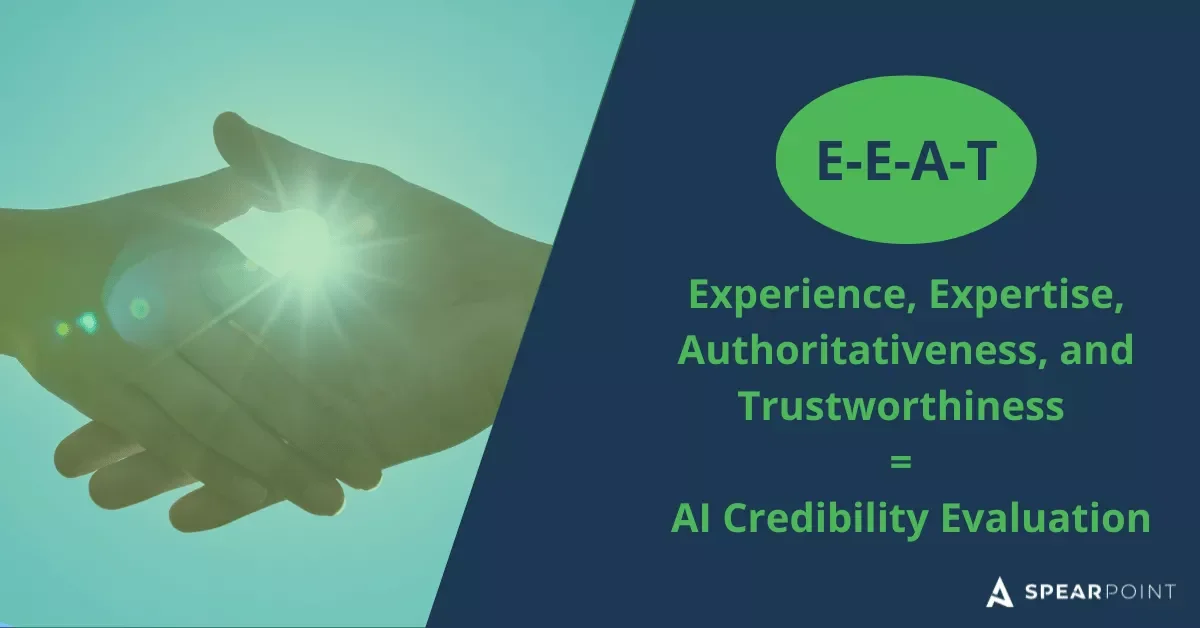
E-E-A-T principles (Experience, Expertise, Authoritativeness, and Trustworthiness) gain even greater significance in AEO contexts. AI systems prioritize content from domains demonstrating consistent expertise across related topics. Publishing comprehensive, well-researched content that addresses questions in depth establishes your site as a trusted source worth citing repeatedly.
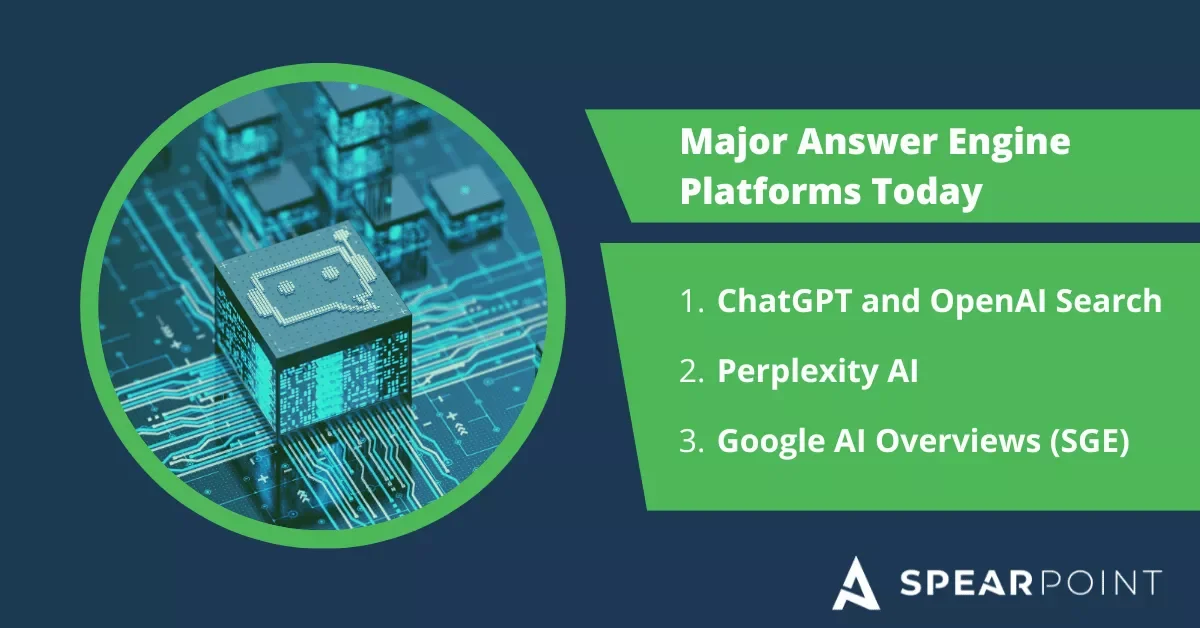
Major Answer Engine Platforms Today
The answer engine landscape encompasses diverse platforms, each with unique characteristics and optimization requirements.
ChatGPT and OpenAI Search
ChatGPT has emerged as a dominant force in conversational AI search, combining OpenAI's advanced language models with real-time web search capabilities. The platform applies sophisticated query rewriting and optimization, transforming user inputs into more effective search queries before retrieving results.
Citation attribution in ChatGPT responses follows specific patterns. The system generates answers with citations linked to retrieved sources, typically featuring 3-5 primary references for comprehensive responses. Content that provides clear, quotable statements with supporting evidence earns more prominent citation positioning.
Perplexity AI
Perplexity AI distinguishes itself through its multi-model architecture and aggressive source verification practices. Unlike systems relying primarily on training data, Perplexity actively searches live web content for each query, ensuring responses incorporate current information.
The platform's Deep Research mode achieves a 21.1% accuracy score on Humanity's Last Exam, outperforming competing systems. This precision makes Perplexity particularly valuable for users seeking reliable, verifiable answers.
For AEO optimization, Perplexity rewards recent, well-cited content with clear source attribution. The platform's emphasis on verification means establishing authority through consistent, factual content significantly improves citation frequency.
Google AI Overviews (SGE)
Google AI Overviews represent the search giant's integration of generative AI directly into traditional search results. These AI-generated summaries appear above organic listings, synthesizing information from multiple sources into comprehensive answer panels.
The expansion rate has been remarkable. Coverage grew 528% for entertainment queries and over 380% for restaurants and travel queries during the most recent core update alone. By then, AI Overviews appeared for 13.14% of queries, representing 72% growth from the previous month.
The impact on traditional organic traffic is significant. Position 1 click-through rates drop 34.5% when AI Overviews appear. Yet sources cited within AI Overviews often experience traffic gains as users click through to verify information or explore topics in greater depth.
Length correlates directly with citation volume. Responses under 600 characters cite approximately five sources, while those exceeding 6,600 characters cite around 28 sources, suggesting comprehensive content gets incorporated more frequently.
When to Prioritize AEO (And When Not To)
Not every business benefits equally from Answer Engine Optimization, and resource allocation requires strategic thinking about where AEO delivers maximum impact versus where traditional SEO remains more valuable.
High-Priority Scenarios for AEO
B2B companies with complex offerings benefit enormously from AEO. When prospects research "What's the difference between marketing automation platforms?" or "How do I evaluate CRM systems?", appearing in AI-generated comparison answers positions your brand as a considered option before prospects even visit vendor websites. The research phase increasingly happens within AI conversations, making citation presence critical.
Knowledge-based businesses like consulting firms, agencies, and professional services thrive through AEO. When potential clients ask "How do I improve customer retention?" or "What SEO tactics work for SaaS companies?", being cited as the expert source builds credibility before any direct interaction occurs.
Established websites with content libraries can leverage existing assets through AEO optimization. If you've already published comprehensive content, restructuring for answer extraction delivers faster ROI than creating new content from scratch.
When Traditional SEO Should Take Priority
Local service businesses like plumbers, dentists, and restaurants should prioritize traditional local SEO and Google Business Profile optimization. When someone searches "emergency plumber near me," they need immediate service, not AI-generated advice. Local pack visibility and direct contact information matter more than citation frequency.
E-commerce sites with transactional focus face trade-offs. While product education content benefits from AEO, transactional pages targeting "buy [product name]" queries require traditional conversion optimization. Balance depends on whether you're building long-term brand authority or driving immediate transactions.
Early-stage startups with limited resources should often focus on proven SEO fundamentals before tackling AEO complexity. If you're still establishing basic domain authority and building your first content assets, perfecting traditional SEO delivers more predictable ROI. AEO becomes valuable once you have content worth optimizing.
Implementation by Company Size
Solopreneurs and small teams (1-5 people) should focus on low-hanging fruit: restructuring top-performing content with question-based headers, adding basic schema markup using free tools like Google's generator, and creating FAQ sections addressing common customer questions. Avoid complex technical implementations requiring developer resources.
Growing businesses (6-25 people) can dedicate systematic effort to AEO. Prioritize the top 20-30 highest-traffic pages for comprehensive optimization. Implement schema markup through CMS plugins. Create topic clusters linking related content. Consider tools like Semrush or Clearscope for content optimization guidance.
Enterprises (25+ people) should establish dedicated AEO workflows. Invest in enterprise platforms like Conductor or Rank Prompt for comprehensive tracking. Implement organization-wide schema markup across thousands of pages. Develop content operations ensuring every new article follows AEO best practices from creation.
Core AEO Strategies for Maximum Visibility
Structure Content for Direct Answer Extraction
Answer engines favor content structured specifically for easy extraction and comprehension.
Use question-based headers: Instead of vague headings like "Our Approach," use specific questions: "What is Answer Engine Optimization?" or "How Do Answer Engines Select Sources to Cite?" This formatting aligns perfectly with how users phrase conversational queries.
Create clear, concise answer paragraphs: Answer-first paragraphs place the most valuable information upfront, typically in 50-60 words. AI systems can extract these concise statements directly, generating citations that provide users with immediate value while attributing the insight to your source.
Implement hierarchical organization: Logical content hierarchy creates scannable, navigable information architecture that benefits both human readers and AI parsing systems. H2 headers establish major topic divisions, while H3 and H4 headers break down subtopics systematically.
Optimize for Conversational and Long-Tail Queries
Traditional keyword optimization targets short, high-volume search terms. AEO prioritizes conversational, long-tail queries reflecting natural language patterns (how people actually ask questions when speaking to AI assistants).
These conversational queries often reveal more specific intent. "Best SEO practices" provides limited context. "What SEO tactics should B2B technology companies prioritize to generate qualified leads?" reveals precisely what the user needs, enabling more targeted content creation.
Implement Schema Markup and Structured Data
Schema markup provides explicit signals helping AI systems understand content meaning, context, and relationships. Priority schema types for AEO include Article, FAQPage, HowTo, Organization, and Person schemas.
JSON-LD implementation remains the preferred format. Most modern content management systems support schema implementation through plugins or built-in modules, reducing technical barriers. Validation through Google's Rich Results Test ensures proper implementation.
Build E-E-A-T Signals for AI Trust
Experience, Expertise, Authoritativeness, and Trustworthiness form the foundation of how AI systems evaluate source credibility.
Demonstrate author expertise: Clear author attribution with credentials establishes content authority. Detailed author bios including relevant experience, certifications, and expertise areas provide AI systems with confidence signals about information quality.
Establish brand authority through citations: Earning citations from reputable industry publications, news sources, and authoritative websites reinforces your brand's standing as a trusted information source. Digital PR campaigns focused on thought leadership naturally generate these high-value citations.
Create comprehensive, well-researched content: Depth and thoroughness signal authority more effectively than surface-level content. Original research, proprietary data, and unique insights provide information unavailable elsewhere, making your content particularly valuable to AI systems seeking authoritative sources.
“Answer engines do not care how many pages you publish. They care how often they can trust you as the best possible answer. AEO is simply the work of becoming that trusted source on purpose.”
Creating AEO-Friendly Content Formats
Content format significantly impacts citation frequency in answer engines. Research analyzing millions of AI-generated results reveals that structured content receives citations far more frequently than unstructured alternatives.
Lists, Tables, and Scannable Formats
Listicles and comparison content account for 32% of LLM citations, making them the most cited format in AI responses. Roughly a third of cited sources use list-style or comparative articles, far outpacing unstructured content.
Tables organize comparative information clearly, enabling AI systems to extract specific data points and present them meaningfully. Comparison tables, feature matrices, and data summaries all provide high-value, easily citable content.
Step-by-Step Guides and How-To Content
How-to guides and step-by-step instructions emerge as winning formats for AI citations. Structured, answer-first content receives citations three times more often than long-form narrative blogs.
Process documentation with numbered steps provides unambiguous instruction AI systems confidently cite. Each step represents a potential extraction point, multiplying citation opportunities within single pieces of content.
Definition and Comparison Content
Clear, concise definitions provide exactly what answer engines need when users ask "what is" questions. Leading with direct definitions before expanding into detailed explanations ensures AI systems can extract the core answer easily.
"Versus" content structuring pros and cons systematically enables AI extraction of specific advantages and disadvantages. Feature comparisons, pricing analyses, and use case evaluations all create citation opportunities for specific decision factors.
Technical AEO Implementation
Site Structure and Page Speed
Logical site structure with clear hierarchies improves crawlability and helps AI systems understand content relationships. Clean URL structures that reflect content organization reinforce topical signals.
Core Web Vitals directly impact AI visibility. Sites with cumulative layout shift ≤ 0.1 are included 29.8% more often in AI summaries. Sites with largest contentful paint ≤ 2.5 seconds are almost 50% more likely to appear in AI results.
Time to first byte < 200ms correlates with 22% increases in citation density. Overall, sites meeting Core Web Vitals thresholds show 30-47% higher inclusion in AI search results. Real-world examples show impact: Ray-Ban doubled conversion rates and reduced exit rates by 13% through improving largest contentful paint.
Mobile Optimization and Content Syndication
Mobile optimization takes on new significance as voice search and AI assistant usage increasingly occur on mobile devices. Fast mobile page loads become critical as users expect immediate answers from AI assistants.
Content syndication to authoritative platforms expands citation opportunities beyond your owned domain. When your content appears on recognized industry publications or news sites, those citations reinforce your expertise across multiple sources.

Answer Engine Optimization Tools for 2026
AI Content Analysis Tools
Conductor stands out as the only end-to-end, enterprise AEO platform combining AI visibility tracking with content creation and real-time site monitoring.
Rank Prompt excels as the best overall tool for AI search visibility, working seamlessly across domains, product pages, and landing pages. The platform offers multilingual tracking and prompt-specific visibility monitoring across ChatGPT, Gemini, Claude, Perplexity, and Grok.
Semrush has evolved into a comprehensive solution for teams new to AEO, combining traditional SEO capabilities with AI visibility features. The platform includes AI Overview fields in SERP calls and content gap analysis.
SurferSEO combines data and AI for advanced content creation and keyword strategy, featuring a content editor with real-time optimization suggestions, keyword clustering, and topical mapping.
Citation Monitoring Tools
Profound excels as a strategic monitoring and benchmarking layer for global brands and agencies, offering clear, real-time reporting across regions, assistants, and languages.
Eldil AI operates as an AEO-native platform focused specifically on LLM behavior, brand interpretation, and citation structure. The platform offers agencies clean dashboards for running tests and comparing models across different AI systems.
AthenaHQ leads in generative engine optimization with specialized tools for AI-driven search visibility and citation tracking across AI answer engines.
Measuring AEO Success
Answer Engine Optimization requires fundamentally different measurement approaches than traditional SEO. Citation frequency and AI brand score represent core AEO metrics (tracking how often your brand gets mentioned and cited across answer engines provides directional indicators of visibility and authority recognition).
Tracking AI Citations
Manual query testing remains necessary as standardized measurement tools continue developing. Systematically querying target conversational questions across ChatGPT, Perplexity, Google AI Overviews, and other platforms, then documenting citations, creates valuable trend data.
Position and prominence within citations matter as much as raw frequency. Being cited first or featured prominently in AI-generated answers carries greater value than appearing as one of many supporting sources.
Analyzing Referral Traffic
Specialized tracking identifies traffic originating from AI platforms. Google Analytics 4 Custom Channel Groups can separate answer engine traffic from traditional sources, enabling performance comparison.
Click-through rate improvements of 14% for AEO-optimized pages demonstrate that visibility in answer engines drives qualified traffic. Conversion rates 27% higher from answer engine referrals versus traditional search demonstrate traffic quality advantages. Engagement metrics 31% higher from answer engine traffic show that cited content attracts particularly interested, engaged audiences.
Setting AEO-Specific KPIs
Recommended key performance indicators include citation frequency, AI model coverage, content optimization scores, and platform performance metrics. Monthly review of these AEO metrics combined with quarterly updates to structured data ensures strategies remain effective as AI algorithms evolve rapidly.
Hybrid measurement frameworks combining proxy metrics with directional indicators provide comprehensive performance visibility. Rather than relying on single metrics, balanced scorecards incorporate multiple signals painting complete pictures of AEO effectiveness.
Common AEO Challenges and Solutions
Attribution and Performance Tracking Difficulties
The fundamental challenge is that AI citations don't generate trackable sessions in traditional analytics, breaking conventional measurement frameworks. Building hybrid measurement frameworks combining proxy metrics with directional indicators addresses this limitation.
Track featured snippet appearances and "People Also Ask" visibility over time. Monitor branded search volume increases as indirect indicators of AI visibility impact. Implementing Google Analytics 4 Custom Channel Groups separates answer engine traffic from traditional sources where referrals do occur.
A SaaS Growth Manager implemented AI visibility tools to overcome blind spots in understanding which content triggered AI responses. Within three months of optimizing for AI platforms, ChatGPT citations increased 40%, showing how data-driven AEO tools enable measurable optimization.
Balancing AEO with Traditional SEO Goals
The biggest barrier to AEO success is organizational, not technical. Securing budget allocation and internal buy-in often proves more challenging than implementation itself.
Educating leadership on changing user behavior patterns provides necessary context for investment decisions. Communicate that Gartner predicts a 25% decline in organic search traffic by 2026, making AEO essential for maintaining visibility.
Present AEO as complementary investment rather than replacement for SEO, requiring strategic fund reallocation rather than choosing between disciplines. Companies implementing dedicated strategies in early 2024 already capture significantly more answer engine traffic, providing proof points for leadership buy-in.
Common Implementation Mistakes
Through our client work at SpearPoint Marketing, we've observed patterns in what doesn't work. Companies waste months optimizing low-value pages that rarely appear in answer engine contexts. A common mistake: optimizing product specifications pages when AI systems preferentially cite educational content like comparison guides and how-to articles.
Over-structuring content can hurt readability and user experience. When every paragraph becomes a rigid Q&A format, the content feels robotic and unnatural. Balance structured extraction points with natural narrative flow that serves human readers first.
Another frequent error: implementing schema markup incorrectly or incompletely. We've audited sites with FAQPage schema that doesn't match actual content structure, or Article schema missing critical properties like dateModified. These implementation gaps prevent AI systems from confidently extracting and citing your content.
Tool selection requires matching capabilities to company size and resources. Conductor offers comprehensive tracking but requires enterprise budget. If you're already using Semrush for traditional SEO, start there for AEO features rather than adding another platform. Avoid over-investing in tools before establishing basic AEO foundations (proper content structure and schema implementation deliver more impact than sophisticated tracking of poorly optimized content).
Implementing Your AEO Strategy: Action Plan
Audit Current Content
Begin by creating a centralized, internally-validated repository of critical information about your brand. Document core facts, statistics, and messages that should consistently appear when AI systems reference your expertise.
Evaluate existing content against AEO best practices. Assess whether high-value pages provide clear, direct answers in opening paragraphs. Check for question-based headers, structured formatting, and comprehensive topic coverage.
Technical audit identifies schema implementation gaps and opportunities. Review which pages currently include structured data and which priority pages lack essential markup.
Prioritize High-Impact Opportunities
Start with the top 20 highest-traffic pages and 20 pages ranking on page one without featured snippets. These represent quick wins (content already performing well that needs optimization for answer engine extraction).
Focus on questions where you have genuine expertise and differentiated insights. Rather than optimizing for every possible query, target areas where your unique perspective provides value AI systems can't replicate from generic sources.
Phased timelines extending over 4-16 weeks depending on site size prevent overwhelm while ensuring steady progress. A real estate platform achieved 2.3 million AI-influenced visits through comprehensive AEO optimization, showing how systematic optimization delivers results.
Create an Ongoing Workflow
Implement semantic structure with schema markup across priority pages. Deploy Article, FAQPage, HowTo, Organization, and Person schemas systematically.
Restructure content to prioritize direct answers in first sentences, followed by expanded explanations. This answer-first architecture serves both AI extraction needs and human comprehension.
Build consensus across multiple channels by reinforcing consistent facts, statistics, and brand messages across website, social media, publications, and databases. When multiple sources echo the same expertise positioning, AI systems gain confidence in your authority.
Develop information gain through original insights. Offer unique data, original research, or expert opinions unavailable elsewhere, making your content particularly valuable to AI systems seeking authoritative sources worth citing.
Establish continuous monitoring combining AI visibility metrics with business impact measurement. Review AEO performance monthly, updating structured data quarterly as AI algorithms evolve.
The Future of AEO Integration: Upward Trends
The trajectory of answer engine development points toward continued growth and increasing influence. AI platform visitors are predicted to surpass traditional search visitors by 2028, representing a major inflection point in digital discovery.
AI-powered tools claiming around 6% of search traffic today could surpass 10-14% by 2028. Considering that AI traffic from ChatGPT and Perplexity combined grew from just 0.02% in 2024 to 0.14% just this year (a 600% increase in a single year), this growth trajectory appears conservative.
Google's AI Overviews expansion accelerates monthly. Data shows they triggered for 6.49% of queries in January, climbing to 7.64% by February (an 18% monthly increase), and reaching 13.14% by March (72% growth). This acceleration suggests AI Overviews could become the dominant search interface within the next two to three years.
Average organic traffic in the United States dropped to 44.89% this year from 49.39% in 2024 (a 4.50% decrease year-over-year). Globally, average organic traffic share declined 5.92% from 58.11% in 2024 to 52.19% currently. These declines represent structural shifts in how search traffic distributes across the digital ecosystem.
The strategic imperative is clear: establish authority now while competition remains manageable. Companies implementing dedicated AEO strategies early capture disproportionate share of this emerging visibility channel. Delay means competing against established citation patterns and recognized authorities in increasingly crowded spaces.
Answer Engine Optimization isn't future preparation (it's a present necessity for digital visibility).
Struggling with SEO & AEO?
Discover How SpearPoint Grows Brands—and Drives Conversions
FAQ About Answer Engine Optimization
What is Answer Engine Optimization?
Answer Engine Optimization (AEO) is the practice of structuring content to earn citations and mentions within AI-generated responses across platforms like ChatGPT, Perplexity, Google AI Overviews, and other conversational search interfaces. Unlike traditional SEO focusing on ranking positions, AEO prioritizes being quoted and referenced by AI systems delivering direct answers.
How is AEO different from traditional SEO?
Traditional SEO optimizes for search engine ranking positions and organic traffic. AEO focuses on earning citations within AI-generated answers where users may never click through to your website. Success in AEO means your content gets extracted, quoted, and integrated into AI responses, capturing visibility even without direct website visits.
What are the best AEO tools?
Top tools include Conductor for comprehensive enterprise tracking, Rank Prompt for AI search visibility across multiple platforms, and Profound for strategic monitoring. Semrush and SurferSEO provide AEO features within broader SEO platforms, while Eldil AI specializes in LLM behavior analysis.
What content formats perform best in answer engines?
Listicles and comparison content account for 32% of AI citations. Step-by-step guides, FAQ pages, definition explanations, and how-to content also perform exceptionally well. Structured content with clear headers receives citations three times more often than unstructured narrative blogs.
How long does AEO implementation take?
Initial results typically appear within 60-90 days. Substantial improvements generally require six to twelve months of consistent effort. Companies that established dedicated AEO strategies in early 2024 already capture 3.4x more answer engine traffic compared to competitors who delayed.
Do Core Web Vitals affect answer engine visibility?
Yes, significantly. Sites with cumulative layout shift ≤ 0.1 are included 29.8% more often in AI summaries. Sites with largest contentful paint ≤ 2.5 seconds are almost 50% more likely to appear in AI results. Sites meeting Core Web Vitals thresholds show 30-47% higher inclusion overall.
Is AEO worth the investment?
Absolutely. With over 2 billion people using AI-powered search and 60% of searches ending without clicks, AEO is essential for maintaining digital visibility. Early adopters see 27% higher conversion rates from answer engine traffic and 31% higher engagement metrics compared to traditional search visitors.
About the Author

Jesse McFarland is the founder of SpearPoint Marketing, a conversion-focused SEO agency helping B2B, professional services, and SaaS brands turn search visibility into a measurable pipeline. With over 17 years of digital marketing experience spanning agency and in-house leadership, Jesse specializes in technical SEO, content strategy, CRO, and Digital PR. Since early 2024, his team has tracked hundreds of weekly queries across ChatGPT, Perplexity, Google AI Overviews, and Gemini, documenting measurable gains in AI citation rates for clients.
Jesse is a thought leader and speaker on emerging SEO trends including Answer Engine Optimization (AEO), helping brands adapt their strategies for the next era of AI-powered search.
About Jesse. LinkedIn